How I Assess a Property Before Recommending It to a Client

Buying well on the Gold Coast, whether it is a house or an apartment, is not just about finding a property that looks good online. It is about understanding what sits behind the presentation and whether that property will genuinely hold its value, suit your lifestyle, and perform over time.
Every week I inspect properties that initially appear appealing, but once assessed properly, reveal issues that most buyers would not immediately see. My role is not to show clients more properties. It is to filter out the wrong ones and identify the right opportunities with clarity and confidence.
This is the process I use before recommending any property to a client.
1. Location always comes first
Before I look at the property itself, I assess the location in detail.
On the Gold Coast, micro-location matters just as much as the suburb name. Two properties in the same suburb can perform very differently depending on where they sit.
I consider:
The specific street and surrounding properties
Proximity to main roads, commercial areas, and infrastructure
Privacy, aspect, and outlook
The overall consistency and feel of the immediate area
On the Gold Coast in particular, I also look closely at factors such as tourism activity, traffic patterns, and nearby development. Areas that are highly desirable can also experience significant congestion, noise, and crowding, particularly during peak periods and holidays.
Future development is another important consideration. A property that feels private, quiet, or open today may not remain that way. New developments can impact views, natural light, privacy, and even the overall feel of a street or building over time. This is particularly important in high-growth areas of the Gold Coast, where development can occur quickly and significantly change the surrounding environment.
For some buyers, being close to restaurants, beaches, and entertainment is a major advantage. For others, the associated noise, limited parking, and increased activity can affect day-to-day liveability.
For apartments, this extends to the position within the building, including level, orientation, privacy, and proximity to lifts, shared facilities, or busy roads.
Location is one of the few factors that cannot be changed, and it plays a significant role in both lifestyle and long-term value.

2. Risk and due diligence
Every property carries some level of risk. The key is identifying and understanding that risk before making a decision.
This is where due diligence becomes critical.
As part of my assessment, I review:
Surrounding development and zoning
Noise factors, including roads and flight paths
Insurance considerations where relevant
For houses, environmental risk is a key focus. On the Gold Coast, this most commonly includes flood exposure in low-lying areas and, in some locations, bushfire risk. I also assess:
Site drainage and land position
Signs of structural movement
Potential for termites (white ants), particularly in older homes
Build quality and any visible defects
For apartments, the risk profile is different. The focus shifts away from land-related risks and towards the building itself. I review:
Body corporate records and financials
Sinking fund position and upcoming capital works
Building condition and maintenance history
Any known defects, remediation works, or special levies
In coastal buildings, I am particularly mindful of long-term wear such as concrete cancer, corrosion, and exposure to salt air. These are not uncommon on the Gold Coast and can result in significant costs if not well managed by the body corporate.
Much of this information is not visible during an inspection. It requires access to documents, local knowledge, and experience interpreting what is and is not a concern.
Different properties require different types of due diligence, and applying the wrong lens can lead to costly oversights.

3. Local lifestyle factors buyers often overlook
Some of the most important considerations are not always captured in reports or inspections, but they can have a real impact on how a property feels to live in.
On the Gold Coast, this can include proximity to waterways where midges can be present at certain times of year, particularly in canal or riverfront locations. There are also areas where biting ants are more common, especially in newer estates or on previously disturbed land.
Tourism, traffic, and seasonal population increases can also affect how an area feels, particularly in coastal and high-density locations.
These are not necessarily reasons to avoid a property, but they are important to understand upfront. For some buyers, they are a minor inconvenience. For others, they can significantly affect how enjoyable a home is on a day-to-day basis.
These are the kinds of factors that rarely come up during a sale, but are often discussed by neighbours once you have already moved in.
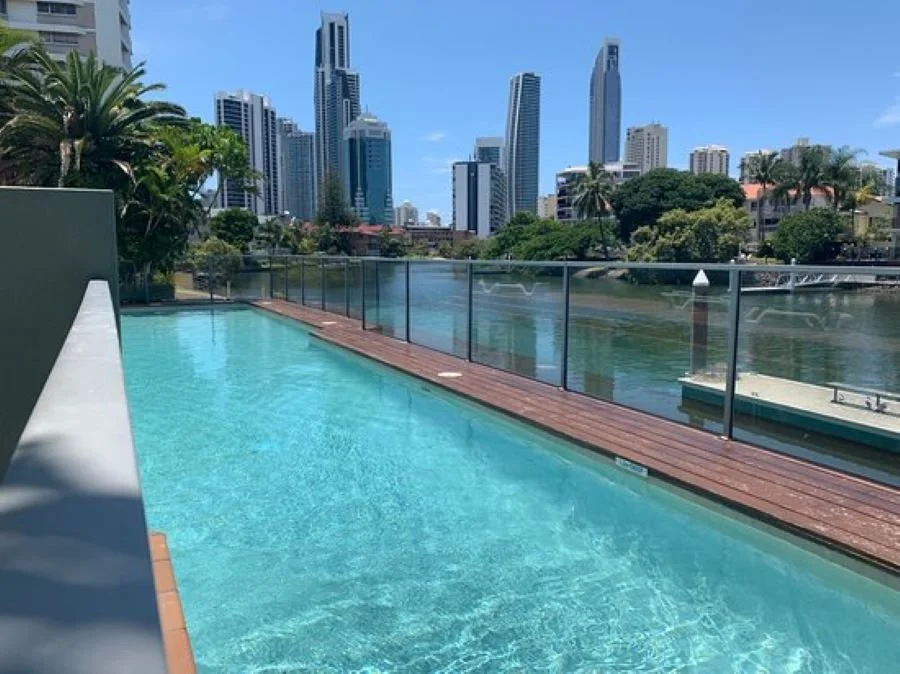
4. The property itself - beyond presentation
Presentation can be very persuasive, but it does not always reflect the quality or functionality of a property.
I assess how the property actually works in day-to-day living.
This includes:
Layout and flow
Natural light and orientation
Privacy and usable space
Build quality and level of finish
For houses, I look at how indoor and outdoor areas connect, and whether the home suits the way people genuinely live.
For apartments, I focus on:
Layout efficiency and proportion
Balcony usability
Outlook and natural light
Noise transfer between units
Overall standard and feel of the building
Many properties have been recently updated for sale. The difference between a high-quality renovation and a cosmetic upgrade can be significant, particularly over time.

5. Price versus long-term value
A property can appear well priced, but that does not necessarily make it a strong purchase.
I assess:
How the property compares to recent sales
Whether it is fairly positioned in the current market
Its long-term appeal to future buyers
Any factors that may limit resale
For apartments, I also consider:
Body corporate fees and how they compare within the market
Building quality and ongoing maintenance requirements
The balance of owner-occupiers versus investors
These factors play a major role in how a property performs over time, particularly in a market like the Gold Coast where buyer preferences can shift.
6. The final filter
Before recommending any property, I apply a simple but important test.
Would I feel confident recommending this property to a close friend or family member?
If the answer is not a clear yes, it does not make the shortlist.
There are always more properties coming to market. The focus should not be on buying quickly, but on buying well.
Buying with clarity and confidence
The Gold Coast offers exceptional lifestyle and investment opportunities across both houses and apartments. It is also a market where the difference between a well-considered purchase and a poor one can be significant.
A structured and disciplined approach to assessing property removes uncertainty and ensures decisions are based on more than presentation or emotion.
Buying well is not about seeing everything. It is about knowing what to say no to, and recognising the right opportunity when it appears.
Thinking of buying on the Gold Coast?
If you would like a clear, independent assessment of a property you are considering, or support identifying the right opportunities, feel free to get in touch.