What Real Estate Agents Don’t Tell Relocating Buyers on the Gold Coast

Relocating to the Gold Coast often means relying on advice from people you have just met. For many buyers, the selling agent becomes the main source of information about suburbs, pricing, and what is “normal” for the market.
Most selling agents are professional and knowledgeable. However, it is important for relocating buyers to understand one fundamental point.
Real estate agents are not independent advisers.
They are engaged by the seller and are legally and commercially focused on achieving the best possible outcome for that seller. Their role is not to assess whether a property is right for you, uncover risks on your behalf, or protect you from making a poor long-term decision.
That distinction matters, particularly in a market as nuanced and fragmented as the Gold Coast. This misunderstanding is one of the main reasons buyers later realise they have made the wrong decision, which I explain in 3 Signs You’re About to Buy the Wrong Property on the Gold Coast.
Here are some of the key things selling agents typically do not tell relocating buyers, not because they are acting improperly, but because it is not their role to do so.
1. Suburb averages rarely reflect street-by-street reality
Real estate agents often talk in suburb-level terms. Median prices, general lifestyle descriptions, and overall crime statistics are commonly used to build confidence.
What is rarely explained is how much variation exists within the same suburb.
On the Gold Coast, two streets apart can mean very different outcomes in terms of noise, traffic, crime, flood exposure, and long-term desirability. A suburb may perform well overall while still containing pockets that experience hooning, nighttime activity, or congestion that significantly affects daily life.
Suburb averages are useful for broad context, but they are not a substitute for street-level understanding, which is why local street-level insight matters so much. Relocating buyers often assume they are buying into the “suburb experience,” when in reality they are buying into a very specific micro-location.
2. “No known issues” is not the same as low risk
Relocating buyers are often reassured with phrases like “no known flood issues” or “we haven’t had problems here before”.
What is rarely explained is how layered risk can be on the Gold Coast.
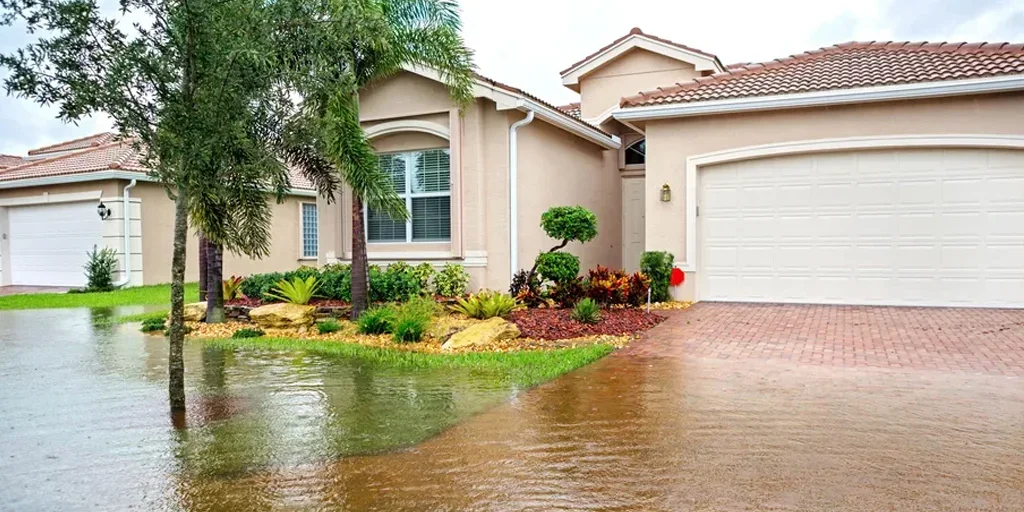
Gold Coast flood risk and storm tide exposure can vary dramatically between nearby properties, particularly for buyers relocating to the area for the first time. Insurance premiums, future buyer demand, and resale confidence are all affected by overlays that may not be obvious during inspections. Bushfire overlays can also apply in hinterland-adjacent areas, affecting insurance and renovation constraints.
Real estate agents are not required to proactively assess or explain these risks in detail. It is the buyer’s responsibility to investigate them, and many relocating buyers simply do not know what to look for or where to check.
3. Future development is often left unsaid
One of the most common post-purchase regrets relates to what gets built after settlement.
Views, light, privacy, and quiet streetscapes can change quickly if nearby sites are zoned for higher density or commercial use. A property that feels open and private today may not remain that way.
Real estate agents are not obligated to analyse surrounding zoning or future development pipelines for buyers. If you do not ask the right questions or know where to look, this information can be missed entirely.
For relocating buyers unfamiliar with local planning controls, this can be an expensive oversight.
4. Body corporate issues are rarely explained in plain language
For apartments and townhouses, body corporate issues are one of the biggest sources of buyer regret.
Rising fees, deferred maintenance, building defects, special levies, and ongoing disputes often only become apparent after settlement. While disclosure documents are provided, they can be lengthy and technical, and buyers unfamiliar with strata structures may not recognise red flags. This is where body corporate issues buyers should understand are often overlooked.
Real estate agents will generally provide the documents required, but they are not there to interpret them from a risk perspective or advise whether a particular body corporate structure is well managed.
Understanding body corporate issues requires experience, not just paperwork.
5. Price guidance reflects the seller’s interests, not yours
Price guides and comparable sales are often presented confidently, but they are framed within the context of achieving the best possible result for the seller.
Relocating buyers frequently rely on online estimates, price guides, or recent headline sales without understanding whether those comparisons are genuinely relevant. On the Gold Coast, pricing can vary significantly within the same suburb based on aspect, flood exposure, governance structures, and future constraints.
Two properties with similar asking prices can deliver very different long-term outcomes.
Real estate agents are not there to tell you if you are overpaying relative to risk. Their role is to obtain the best price the market will bear.
Why this matters for relocating buyers
Most buyers who regret a purchase do not regret the house itself. They regret the things they did not know to question.
Real estate agents do an important job, but they do not work for the buyer. They are not independent, and they are not paid to protect you from making a poor decision.
A buyers agent exists specifically to fill that gap, and how I work with buyers is designed to provide independent, unemotional advice throughout the process.
Buyers agents work exclusively for the buyer, remain unemotional, and assess properties through the lens of risk, liveability, and long-term performance. Their role is to slow decisions down when needed, uncover issues early and ensure purchases align with your original wishlist and goals.
For relocating buyers, this independent perspective can be the difference between settling confidently and slowly realising something does not quite stack up. If you want to get independent advice before you buy, it is best to do so early.